
Have you ever noticed your bracelet slipping off your wrist silently while running, working out, or doing yoga, or even falling to the ground? This isn’t uncommon; many people experience this frustration. However, the good news is that by choosing a suitable bracelet making kit and combining it with some anti-slip techniques, you can create a stylish and secure bracelet that you can wear confidently during exercise without worrying about it falling off. This article will help you understand why bracelets sometimes fall off during exercise and provide a simple and practical solution using a bracelet making kit, allowing you to express your personal style while exercising.
Why does the Bracelet Making Kit easily fall off during exercise?
There are many reasons why a bracelet might fall off during exercise, especially when engaging in vigorous activity. Bracelets are prone to slipping off due to improper design or a loose fit. Let’s take a closer look:
1. Size too large or loose fit
If your bracelet is usually loose, it will easily fall off during exercise due to the large movements of your wrist, sweat, and friction from clothing. Especially with designs like tennis bracelets, it’s recommended that they fit snugly against your wrist, not loosely. For example, “Forever Diamonds NY” reminds us that bracelets should fit snugly and not be too loose.
2. The fasteners or chain links are not secure.
Many bracelet clasps have designs that look both beautiful and fun, but they can easily loosen or malfunction during strenuous exercise or prolonged exposure to sweat. To avoid this, many professionals recommend incorporating a “safety chain” or “safety clasp” into the bracelet making kit design to ensure the main clasp won’t come loose due to pressure or friction.
3. Friction, sweat, and impact during exercise
During exercise, the frequent swinging and waving of the wrist increases friction between the bracelet and the skin and clothing. Especially in high temperatures or during strenuous exercise, sweat makes the material of the bracelet making kit even more slippery, increasing the likelihood of it falling off. Many jewelry designers also remind us that it’s best to choose styles that are less likely to slip during exercise.
In summary, the problem of bracelets falling off is actually caused by a combination of factors: size, clasp, material, and even the movement itself. Next, we’ll see how to use a bracelet making kit to solve these problems.
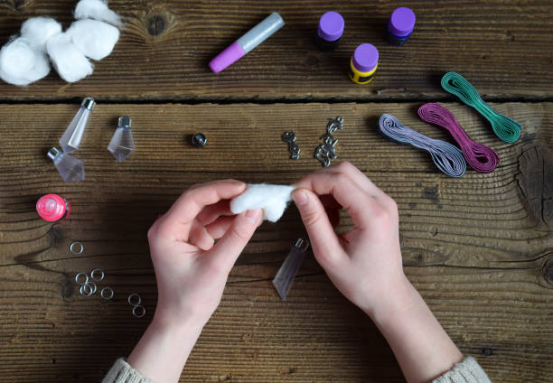
Choose a bracelet making kit and materials suitable for sports.
sportswear:Before you begin making your own bracelet, choosing a suitable bracelet making kit and high-quality materials is crucial. This way, you won’t have to worry about the bracelet slipping off during exercise. Here are some bracelet making kits and tool suggestions we’ve selected suitable for sports wear:
2.1 Recommendations for Key Materials
To ensure the bracelet stays on during exercise, the choice of material is crucial. Here are some practical tips:
- Elastic rope or high-strength beaded line: Choose an elastic rope with high tensile strength, which can better withstand the strong stretching during exercise compared to those cheap elastic lines.
- Tightening clasps or sliding clasps: These clasps help the bracelet fit snugly against the wrist and prevent it from falling off if it becomes loose.
- Spacer beads or buffer beads: Add small beads to the sides of the fastener or chain to help prevent the main chain from slipping.
- high-humiditySweat-resistant materials: such as silicone beads, stainless steel parts, nylon ropes, etc. These materials are less likely to slip in high-temperature and humidity environments.
- Backup safety chain or skip ring: Even if the main clasp fails, it can prevent the bracelet from falling off completely.
These Bracelet Making Kit materials not only enhance the stability of the bracelet , but also ensure that it remains firmly in place even during vigorous activity.
Bracelet Making Kit’s Special Anti-Hair Loss Techniques in Sports Scenarios
The need for wearing a bracelet varies depending on the type of sport. Here are some suggestions for specific sport scenarios:
Considerations for different types of sports
- Running/Workout: Since your wrists will be moving frequently, it is recommended to wear a style that fits snugly on your wrist and avoid wearing loose bracelets.
- Team sports/ball games: To avoid the bracelet getting caught on clothing or being bumped, it is recommended to choose a low-profile bracelet that fits snugly on the wrist and has no hanging accessories.
- Water sports/camping: Sweat and humidity can affect the material of the bracelet, so it is recommended to choose a waterproof bracelet or remove it temporarily during the activity.
Additional anti-slip tips
- Use sweat pads or sweatbands: Wear a sweatband during exercise and then put the bracelet on top of it to reduce direct friction.
- Secure the knot with clear nail polish: After finishing the bracelet, lightly apply a layer of clear nail polish to the knot to ensure it won’t come undone.
- Wipe the bracelet regularly: After each workout, remember to clean the bracelet with a dry cloth to remove sweat and salt and prevent it from becoming slippery.
- Regularly check fasteners and buckles: Fasteners are prone to wear and tear during frequent movement. Timely inspection and replacement can prevent accidental detachment.
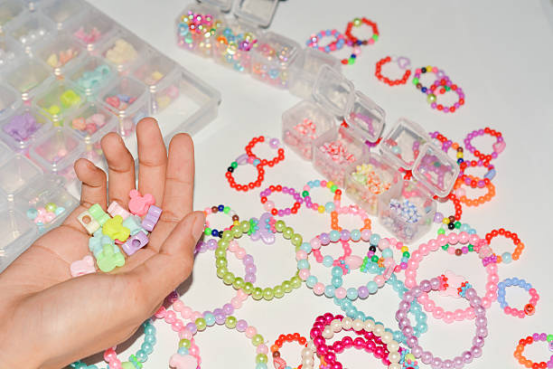
Frequently Asked Questions (FAQ)
| question | answer |
| My Bracelet Making Kit still wobbles slightly, what should I do? | My Bracelet Making Kit still wobbles slightly; what should I do? |
| The fasteners don’t feel very secure; what should I do? | You could consider replacing the fastener with a more robust one or adding a safety chain/screw buckle to increase stability. |
| I’m thinking of giving this to a friend to wear while exercising together. Any suggestions? | Bracelet Making Kit with a unified color scheme and a sturdy construction so that both people can wear it securely when exercising together. |
| Will an elastic rope break during exercise? | High-quality elastic ropes rarely break. Choosing a rope with a diameter of 0.8 mm or more and reinforcing the knots will make it safer. |
| Can I wear other bracelets on top of each other? | Of course you can, but it’s recommended to wear the anti-slip bracelet closest to your wrist, and other jewelry can be layered on top of it. |
Summarize
Wearing a bracelet while exercising can be challenging, but by choosing the right bracelet making kit and combining appropriate design and materials, you can create a stylish and practical bracelet that won’t fall off. Every step, from measuring and designing the structure and selecting materials to making and securing it, is crucial. The next time you run, do yoga, or engage in other sports, you won’t have to worry about the bracelet falling off—it will stay firmly with you, helping you express your unique personality during your workout.
Choose your bracelet making kit, prepare the right materials, and follow this guide step by step. With a little patience and careful adjustments, you’ll eventually have a sports bracelet that won’t fall off. Enjoy your workout, and may the bracelet stay with you forever!
